
OVERLOOK TRAIL
Natural Erosion
In most instances, ‘erosion’ is considered a dirty word. When they hear the word erosion, many people think of the destruction it causes like weakening infrastructure, collapsing foundations, or carrying away precious topsoil. However, erosion in Central Iowa is vital part of geologic history and fundamental to the function of many of Iowa’s ecosystems.
The easy, half-mile Overlook Trail demonstrates and celebrates the importance of erosion to Central Iowa, providing sweeping views of a ravine system created over thousands of years by the Richardson Branch Creek and Des Moines River.
The story begins 10,000 years ago with the end of the last ice age. At the peak of the ice age, the Des Moines Lobe Glacier covered Central Iowa with ice almost a mile deep in some places. As the glacier melted and retreated, it carved and shaped the underlying bedrock, scraping and goring, leaving rolling hills in some places, flat plains in others. Following the retreat, meltwater from the glacier started to erode and carve ravines and cliffs, eventually becoming the channel for the Des Moines River and its tributaries. Over the following thousands of years, waterways continued to erode away at the walls of ravines, creating vast floodplains and lowlands below and uplands, bluffs, and plateaus above.
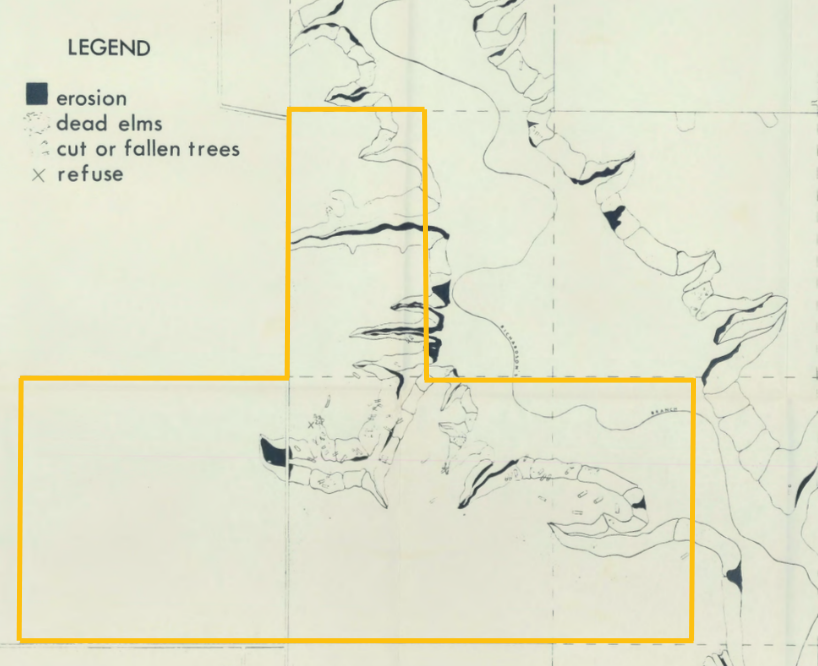
Today, the Arboretum manages vast systems of ravines, still growing little by little. While the human response would be to try and mitigate the erosion to the extent possible, it is important to recognize that erosion is a dynamic process that has been influencing the change of ecosystems in this region since the ice age. Instead, staff monitor and evaluate areas of the woodland with the greatest erosion potential and minimize disturbance and human impacts in those areas. Particularly in relatively undisturbed woodlands, noticeable erosion can take a whole lifetime to witness as it happens over centuries (compared to cropland where erosion can happen in an instant). The Arboretum has been tracking pockets of erosion since the beginning, also considering how underlying topography and hydrology changes impact the speed and intensity of the erosion.
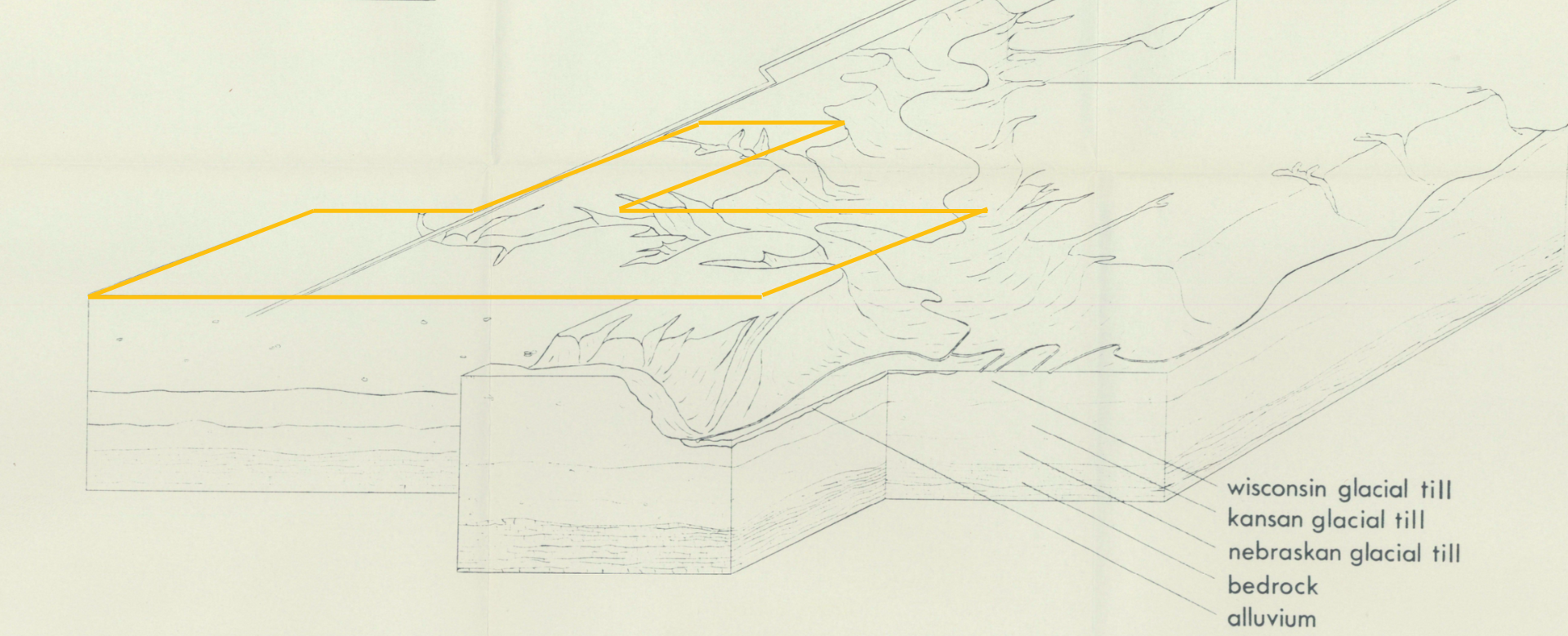
Thousands of years of erosion in the Richardson Branch Creek ravine system has created some spectacular views that are what this hiking trail is all about. From some of the overlook views, the opposite side of the ravine can be seen as well as 150 feet down to the bottomlands.
Educational Destination
Did you know that for decades the Iowa Arboretum and Gardens has been a destination to learn about native Iowa woodlands? Since 1981 the Arboretum has been taking thousands of students per year through the woodlands to learn about anything from native plants, to wildlife, to Iowa’s natural history.
Designed by summer interpreter Stephnie Wald in 1980, the trails originally contained a series of 23 posts which identify points of interest. A brochure was also supplied to visitors describing the tree and plant communities near the numbered posts. At the time, the Arboretum trails system was one of very few interpretive trails in the state. Early users included grade school students, Boy Scout troops, Campfire girls, Iowa State University students, and adults from the Story County Developmental Center. Executive director at the time, Peter van der Linden, planned a significant expansion of the interpretive trail system because such trails were relatively easy to
maintain, inexpensive, and having the information presented in a brochure allowed Arboretum staff to provide an educational service without having to supply a tour guide to every group.
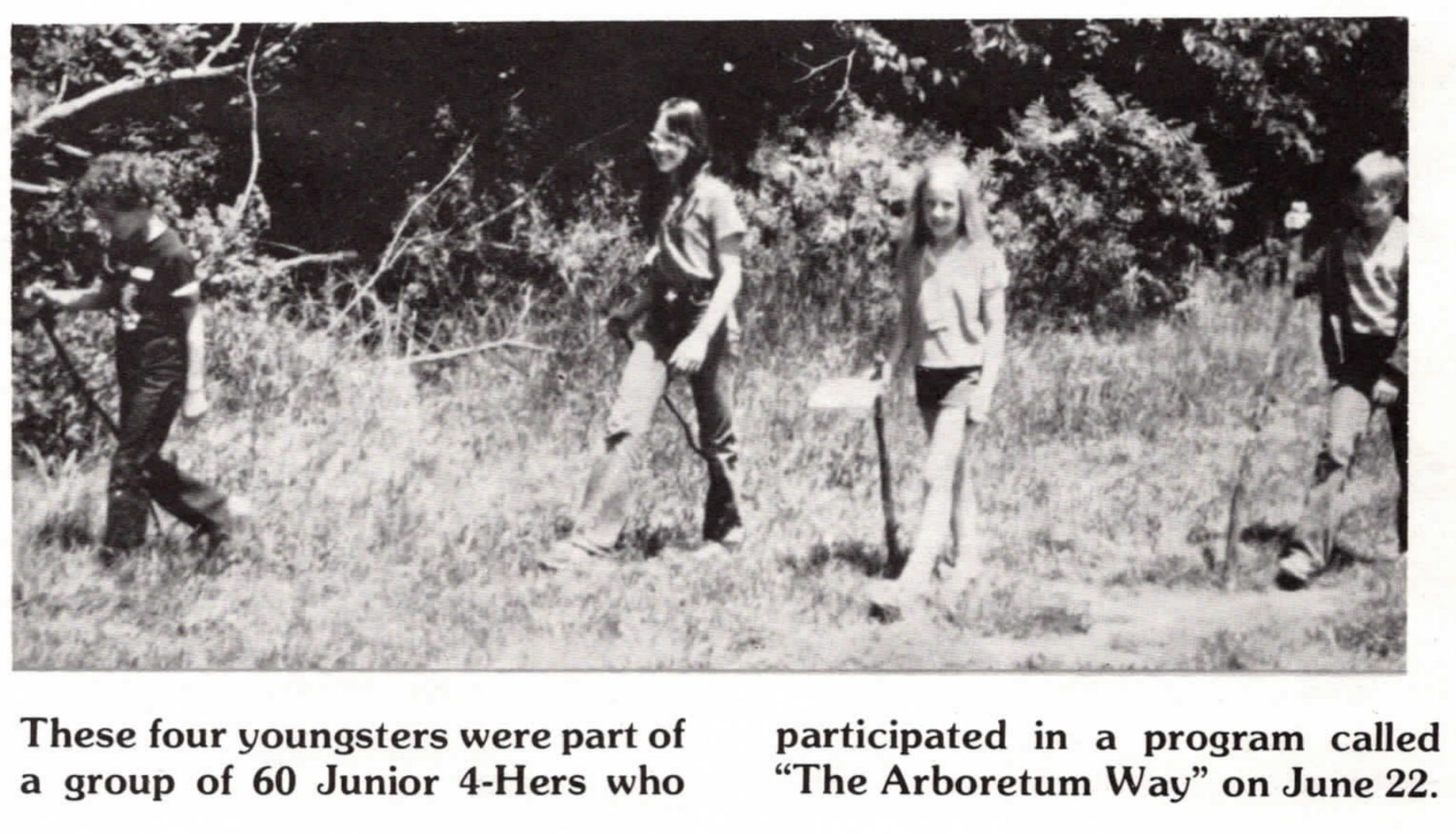
By 1982 thousands of children and adults were exploring the woodland trails and taking advantage of educational programming about native plants. One such program called ‘The Arboretum Way’ brought youngsters from the neighbiring 4-H camp to ‘increase children’s understanding of living plants stressing that the arboretum is a great resource for their families, friends, and themselves to explore and learn about the outdoors of Iowa.’ One particularly favorite program was a blindfolded hike where 4-H campers learned to experience nature without their sense of sight.
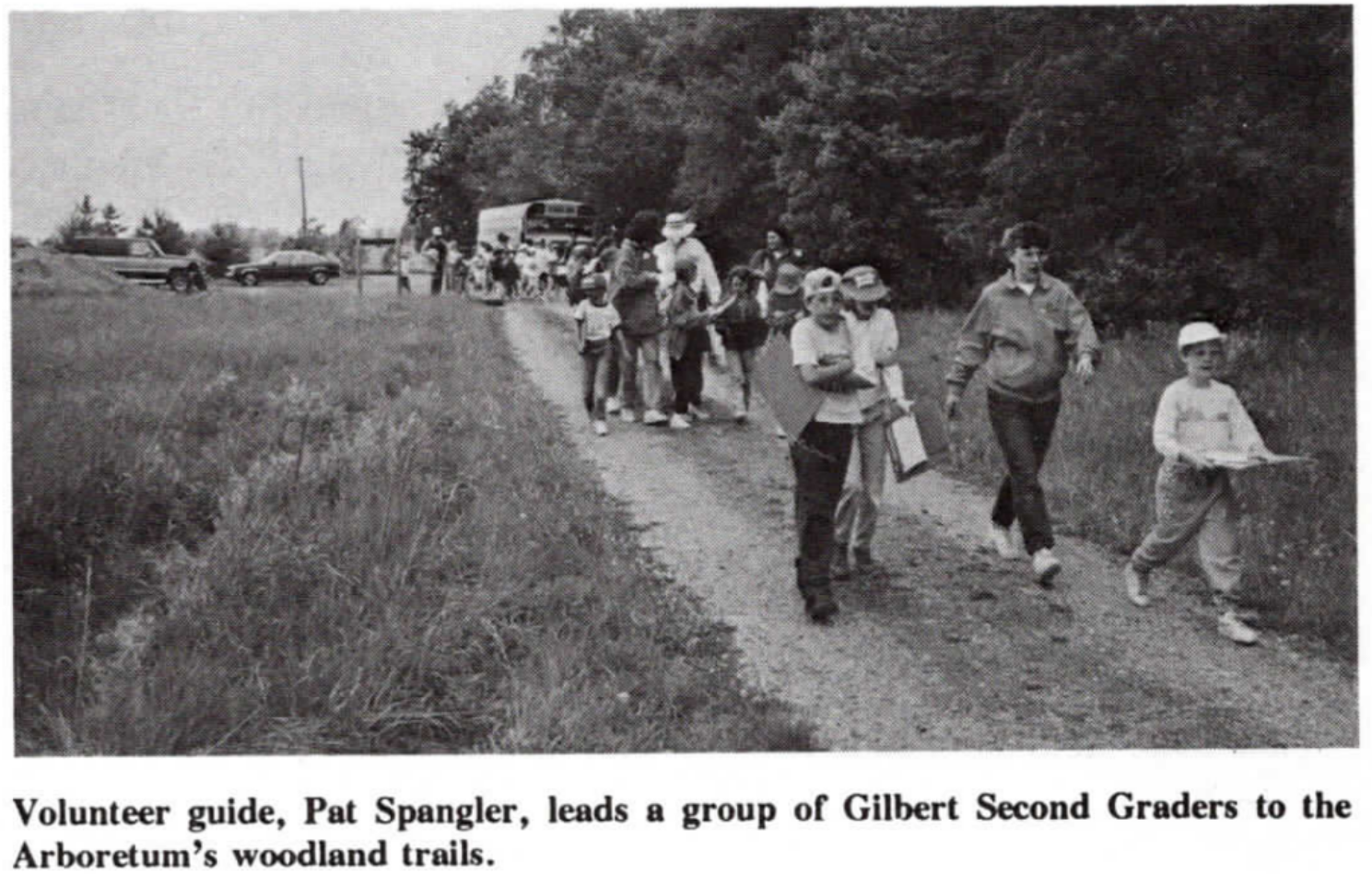
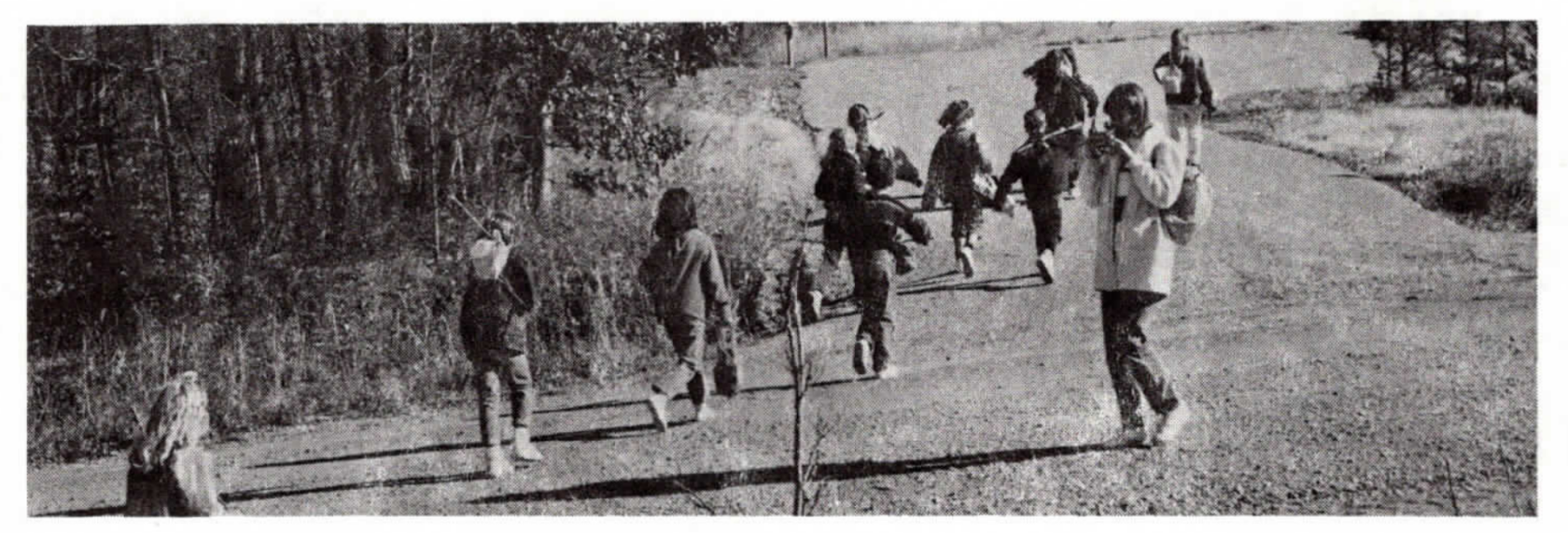
Other educational experiences included countless bird watching expeditions hosted by local Audubon Society Chapters. Young birders and novice adults would be guided through the process of bird watching including how to be observant, using field guides, and memorizing birdsong for identification.
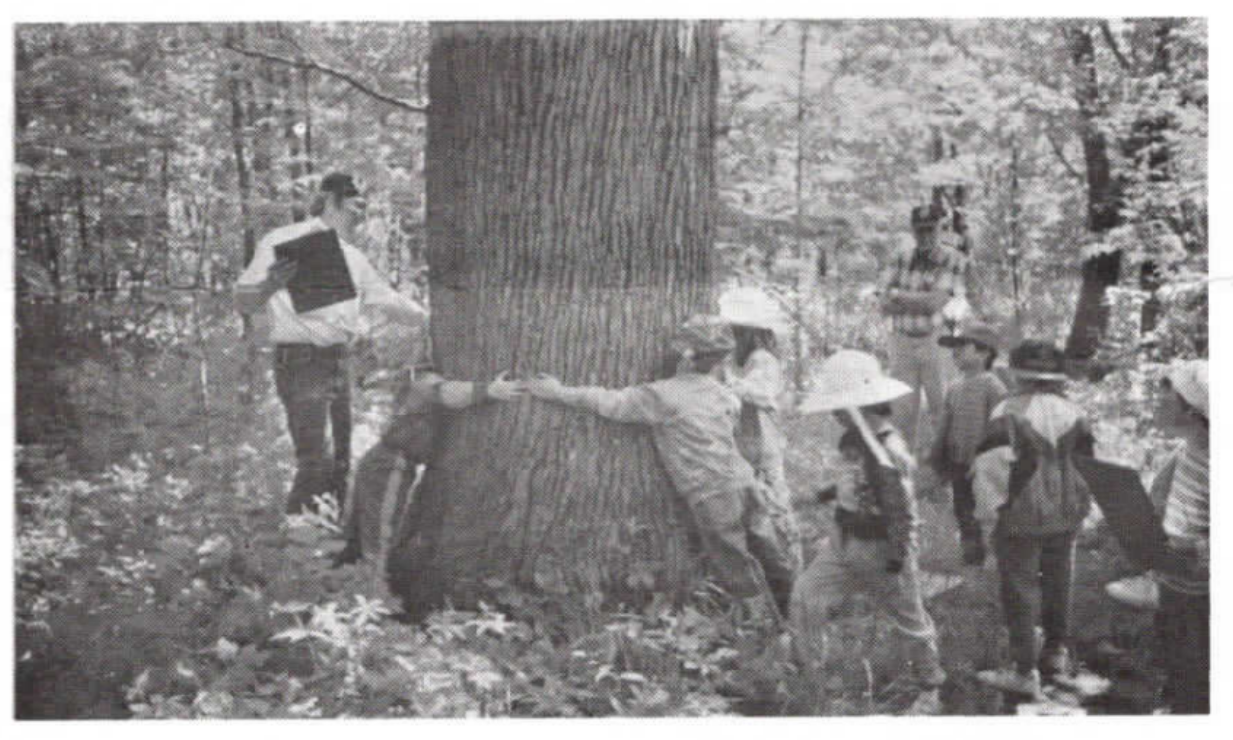
Finally, dozens of organizations, service groups, and individuals learned about woodland and prairie management hands-on as part of days of service. Whether helping with invasive plant removal, building new trails, or keeping trail systems managed and accessible, thousands of participants over the years walked away with a greater understanding and appreciation for Iowa’s natural resources.
Maybe the most impactful education conducted over the years at the Arboretum is fostering a love and curiousity for nature. Still a part of our mission today, it has been the steadfast goal for nearly 60 years.
Back to Our Plants hompage
Back to Natural Resources hompage